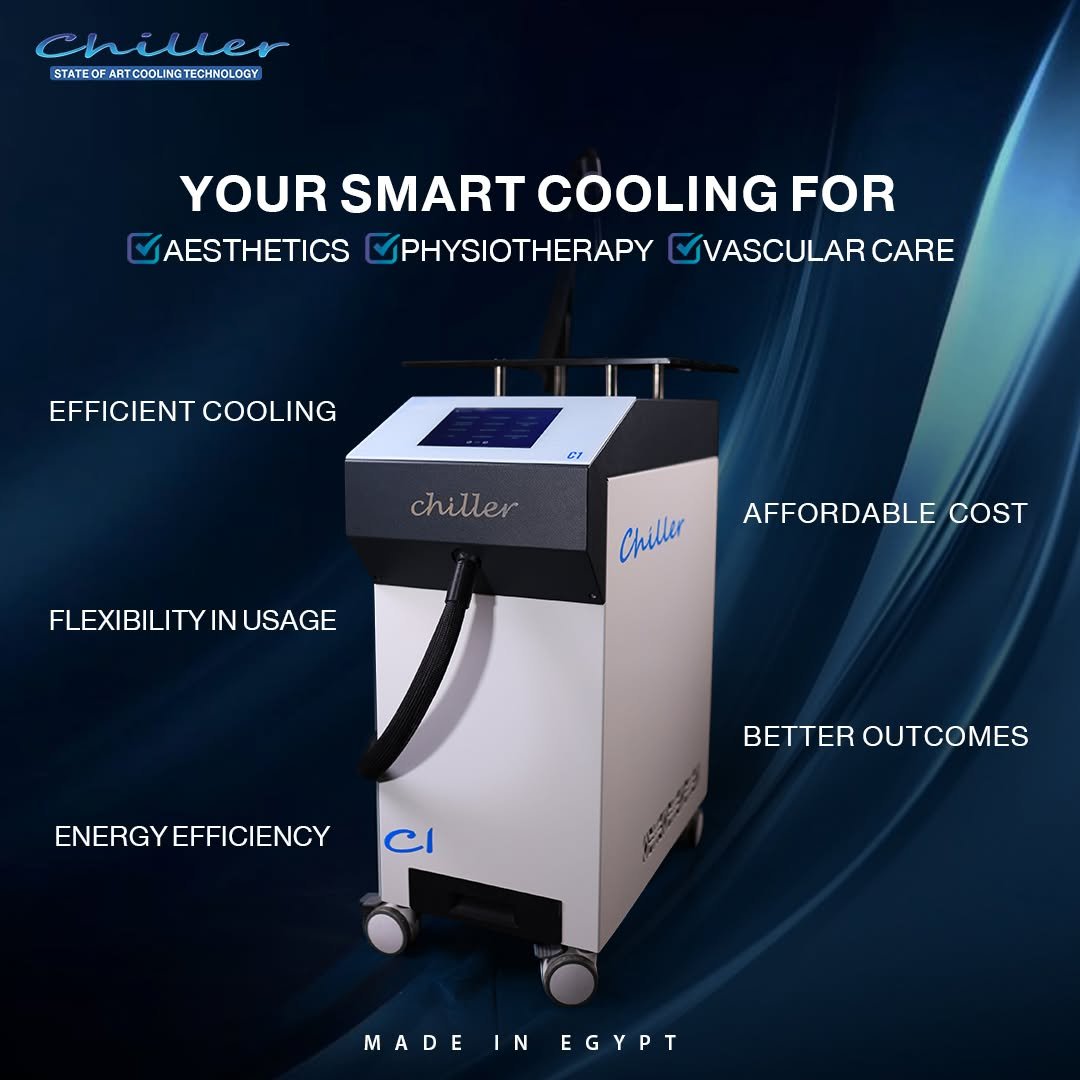
Medical Cryotherapy Air Cooling System
An advanced medical air cooling system designed to deliver controlled airflow at temperatures down to -40°C, featuring intelligent temperature control, touchscreen operation, safety monitoring, and reliable embedded electronics for professional therapeutic applications.
Project Overview
The Medical Cryotherapy Air Cooling System was developed as a high-performance medical device capable of delivering extremely cold air for therapeutic and dermatological treatments.
The system combines intelligent embedded control, a modern touchscreen interface, multiple safety mechanisms, and precise temperature regulation to provide stable cooling performance while ensuring safe operation in professional medical environments.
Designed for continuous daily use, the device integrates custom electronics, embedded firmware, motor control, sensor monitoring, and an intuitive Human Machine Interface (HMI) into a complete medical solution.
Client Requirements
The client required a medical cooling system capable of:
- Delivering air temperatures down to -40°C.
- Maintaining stable temperature throughout treatment.
- Controlling airflow intensity.
- Providing an intuitive touchscreen interface.
- Supporting multiple treatment modes.
- Monitoring system health continuously.
- Detecting abnormal operating conditions.
- Protecting critical hardware components.
- Operating reliably for extended treatment sessions.
- Providing a modern medical product appearance.
Our Solution
Metanoia developed a complete embedded medical control platform including:
- Electronic system architecture.
- Custom PCB design.
- Embedded firmware.
- Touchscreen HMI development.
- Temperature monitoring.
- Fan and cooling control.
- Sensor integration.
- Protection systems.
- Safety monitoring.
- Alarm handling.
- Functional testing.
- Manufacturing-ready hardware.
The final system delivers precise cooling performance while maintaining a clean, user-friendly experience suitable for clinical environments.
Main Features
Precision Temperature Control
The system continuously monitors operating conditions to maintain accurate low-temperature airflow throughout each treatment session.
Medical Touchscreen Interface
A modern touchscreen interface allows medical staff to:
- Start or stop treatments.
- Select operating modes.
- Adjust treatment parameters.
- Monitor system status.
- View active alarms.
- Access service settings.
Intelligent Cooling Control
Embedded firmware dynamically manages the cooling system to provide stable performance while minimizing unnecessary power consumption.
Airflow Management
Users can adjust airflow levels to match different treatment requirements while maintaining consistent cooling performance.
Real-Time Monitoring
The controller continuously supervises:
- Cooling performance.
- Internal temperatures.
- Fan operation.
- System status.
- Safety conditions.
Safety Protection
Built-in protection mechanisms monitor abnormal operating conditions and help protect the system during unexpected events.
User-Friendly Operation
The interface was designed for quick learning and simple operation, allowing healthcare professionals to configure treatments with minimal interaction.
Engineering Challenges
Ultra-Low Temperature Operation
Maintaining stable airflow near -40°C required careful integration of sensors, cooling hardware, and embedded control algorithms.
Stable Temperature Regulation
Temperature fluctuations had to be minimized to provide consistent therapeutic performance throughout the treatment session.
Medical User Experience
The interface needed to remain simple enough for everyday clinical use while providing access to advanced operating functions.
Continuous Operation
The system was designed for repeated daily treatments with reliable long-term operation.
Embedded Safety
Multiple monitoring routines were implemented to detect abnormal conditions and respond before they could affect device performance.
Development Process
1. System Analysis
The cooling process, medical workflow, user interaction, and safety requirements were analyzed.
2. Hardware Design
The electronic control system was designed around an embedded microcontroller, touchscreen interface, temperature sensors, cooling hardware, and protection circuitry.
3. PCB Design
A custom PCB was developed to integrate power management, sensor interfaces, communication, and control electronics into a reliable hardware platform.
4. Firmware Development
Embedded software was developed to manage:
- Cooling control.
- Temperature regulation.
- Fan management.
- User interface.
- Alarm handling.
- Safety monitoring.
- System diagnostics.
5. HMI Development
A modern graphical interface was designed to provide a professional medical user experience while simplifying daily operation.
6. Testing & Validation
The system underwent functional testing, interface validation, temperature verification, and continuous operation testing to ensure reliable performance.