Smart Juice Dispenser Control System
A custom embedded control system for automated juice dispensing machines, featuring an integrated touchscreen interface, intelligent motor control, sensor monitoring, and reliable operation for commercial beverage applications.
Project Overview
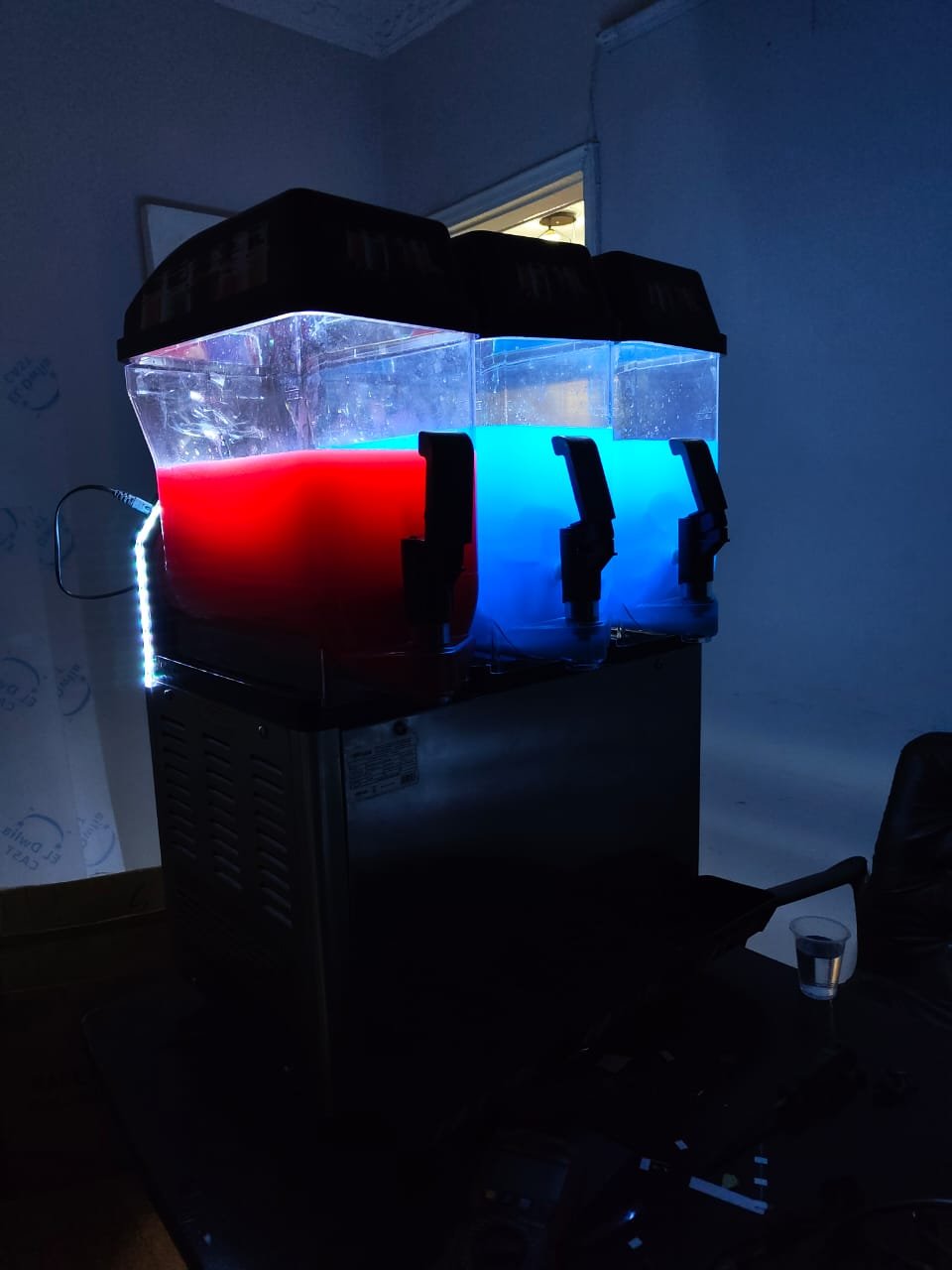
The Smart Juice Dispenser Control System was developed as the central electronic controller for a commercial juice dispensing machine.
The project combined embedded hardware, custom PCB design, firmware development, and a modern touchscreen interface into a single intelligent control platform capable of managing dispensing operations, user interaction, machine status, and safety monitoring.
Designed for continuous commercial operation, the system delivers reliable performance while providing an intuitive user experience for both operators and end users.
Client Requirements
The client required a control platform capable of:
- Controlling the complete juice dispensing process.
- Operating multiple motors and actuators.
- Managing pumps and dispensing mechanisms.
- Providing a modern touchscreen interface.
- Monitoring sensors and machine status.
- Detecting operational faults.
- Supporting multiple dispensing modes.
- Providing fast response and reliable operation.
- Operating continuously in commercial environments.
- Simplifying maintenance and diagnostics.
Our Solution
Metanoia developed a complete embedded control platform including:
- Custom PCB design.
- Embedded firmware development.
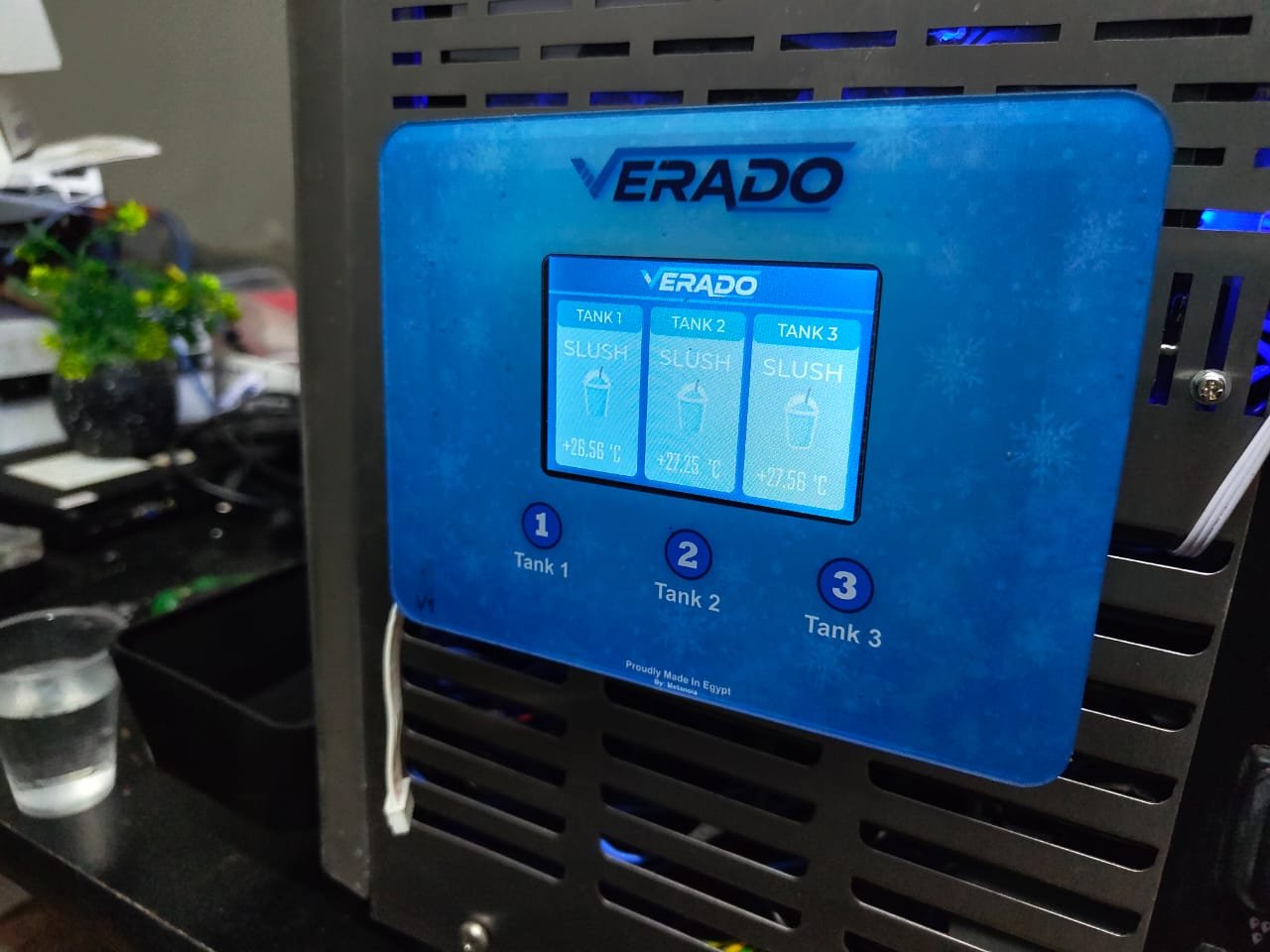
- Touchscreen HMI integration.
- Motor and actuator control.
- Sensor monitoring.
- Power management.
- Protection circuitry.
- Communication interfaces.
- Machine diagnostics.
- Functional testing.
- Manufacturing-ready hardware.
The result was a reliable electronic control system capable of managing every major function of the dispensing machine through a single intelligent controller.
Main Features
Touchscreen Interface
The integrated display allows operators to:
- Control machine functions.
- Configure settings.
- Start dispensing cycles.
- Monitor machine status.
- View alerts and notifications.
- Access maintenance functions.
Intelligent Dispensing Control
The embedded controller manages dispensing sequences with precise timing and coordinated control of the machine’s internal components.
Motor & Actuator Control
The system operates multiple motors and electromechanical components required for dispensing and machine operation.
Sensor Monitoring
Continuous monitoring of machine sensors enables:
- Status verification.
- Operational feedback.
- Fault detection.
- Safe operation.
Real-Time Diagnostics
The controller continuously monitors system operation and reports abnormal conditions to assist maintenance personnel.
User-Friendly Operation
The graphical interface was designed to minimize operator training while providing fast access to machine functions.
Reliable Commercial Operation
The hardware and firmware were optimized for long operating hours and continuous daily usage.
Engineering Challenges
Coordinating Multiple Components
The controller had to synchronize motors, sensors, and user inputs while maintaining smooth machine operation.
Responsive User Interface
The touchscreen interface needed to provide immediate feedback without affecting real-time machine control.
Reliable Commercial Operation
The system was designed to withstand continuous daily operation in demanding commercial environments.
Embedded Safety
Protection mechanisms were implemented to detect abnormal operating conditions and improve overall system reliability.
Hardware Integration
Multiple electronic subsystems were integrated into a compact custom PCB while maintaining signal integrity and ease of manufacturing.
Development Process
1. System Analysis
The complete machine workflow was analyzed to define hardware and software requirements.
2. Electronic Hardware Design
A custom controller board was designed to integrate processing, power management, motor control, communication, and sensor interfaces.
3. PCB Design
The PCB layout was optimized for reliability, manufacturability, thermal performance, and electrical noise reduction.
4. Firmware Development
Embedded software was developed to manage:
- Machine operation.
- Dispensing logic.
- Motor control.
- User interface.
- Sensor monitoring.
- Diagnostics.
- Protection functions.
5. HMI Development
A modern touchscreen interface was created to provide an intuitive operating experience for commercial users.
6. Testing & Validation
The complete system underwent functional, operational, and endurance testing to verify reliable long-term performance.